Sculpture for hospitals and care homes
10 healthcare projects: 7 installed and 3 in process — to be announced. The installed works include six hospitals in Greece and the Imvriaki Enosi retirement home on Imvros (Gökçeada), Türkiye.
Hospitals are where permanent art matters most. A sculpture in an atrium, a garden or an entrance becomes part of how patients and their families live some of the most intense days of their lives, and it expresses the institution’s values for decades.
The hospital and care-home programme
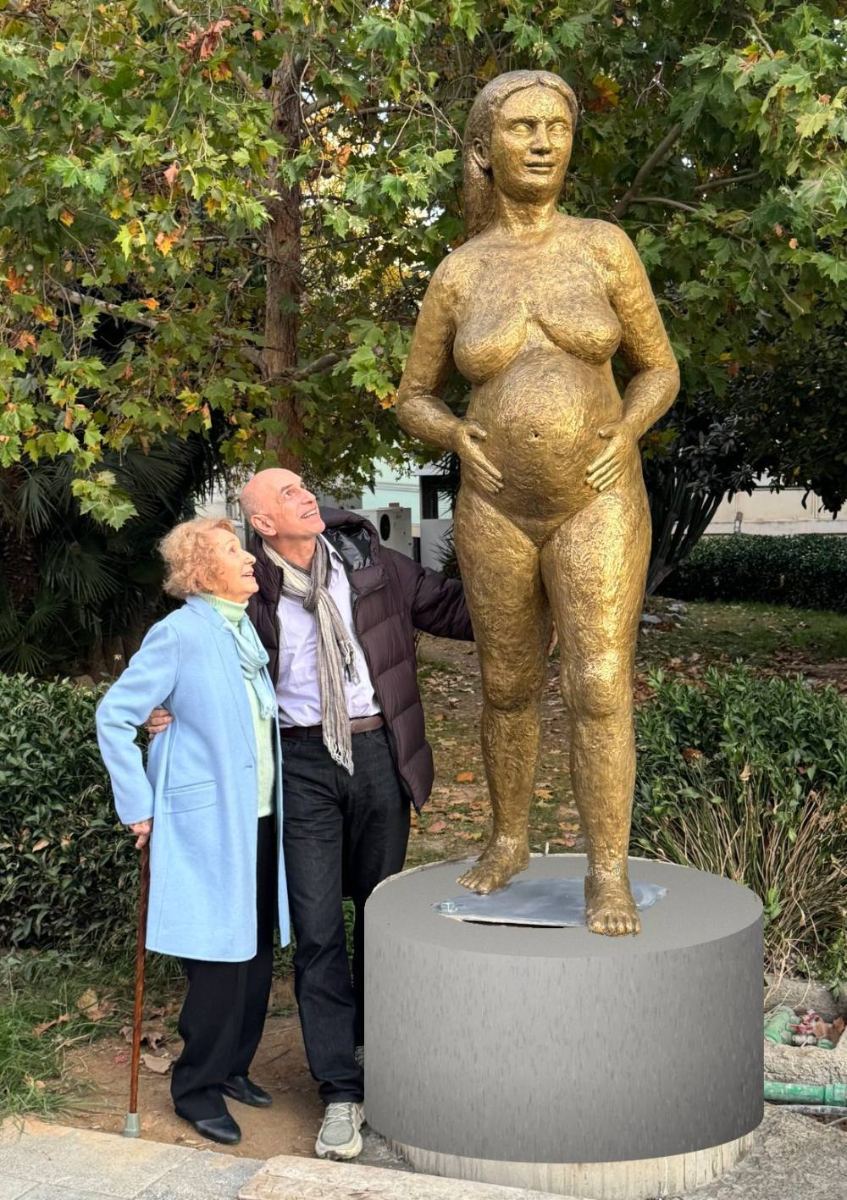
Aretaieion University Hospital
Aretaieia
Athens, Greece · Installed
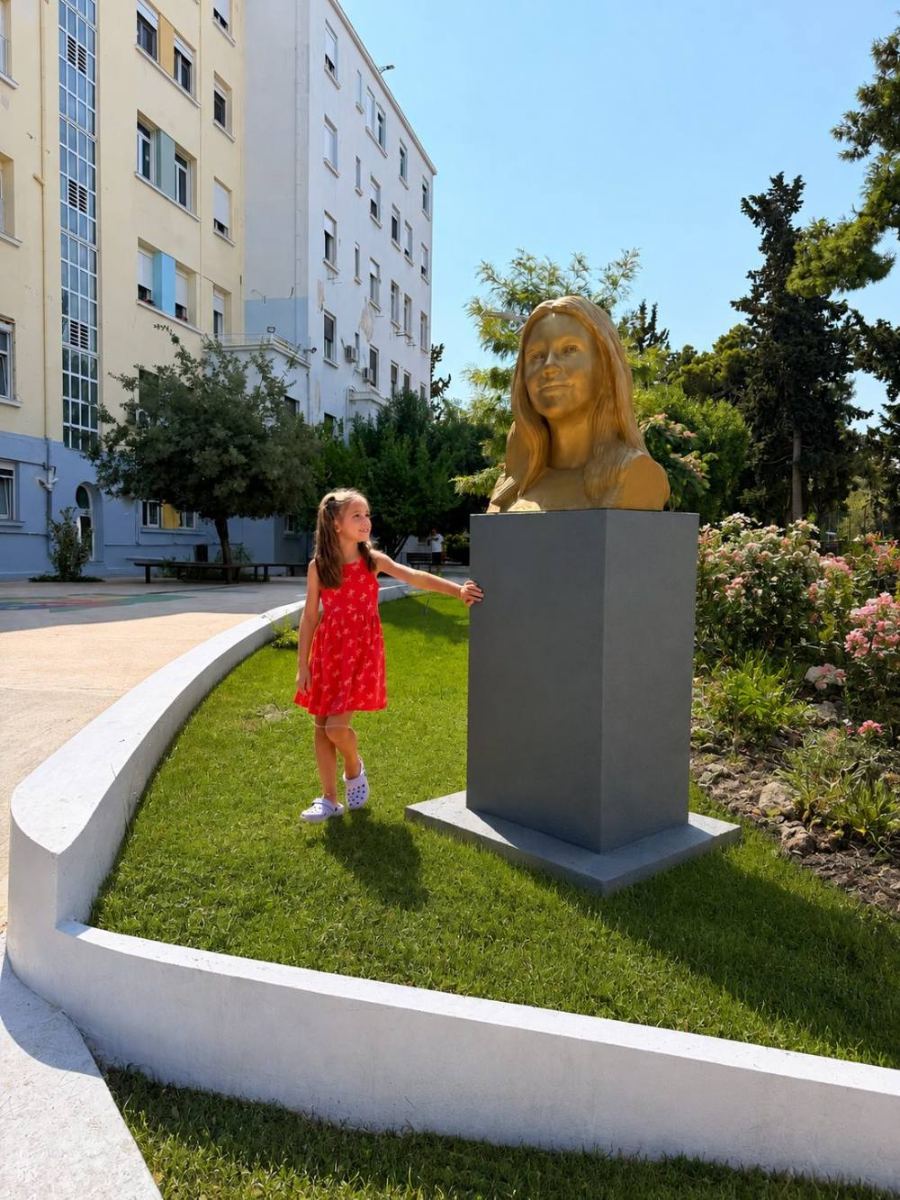
General Children’s Hospital of Athens ‘Panagiotis & Aglaia Kyriakou’
Kore II
Athens, Greece · Installed
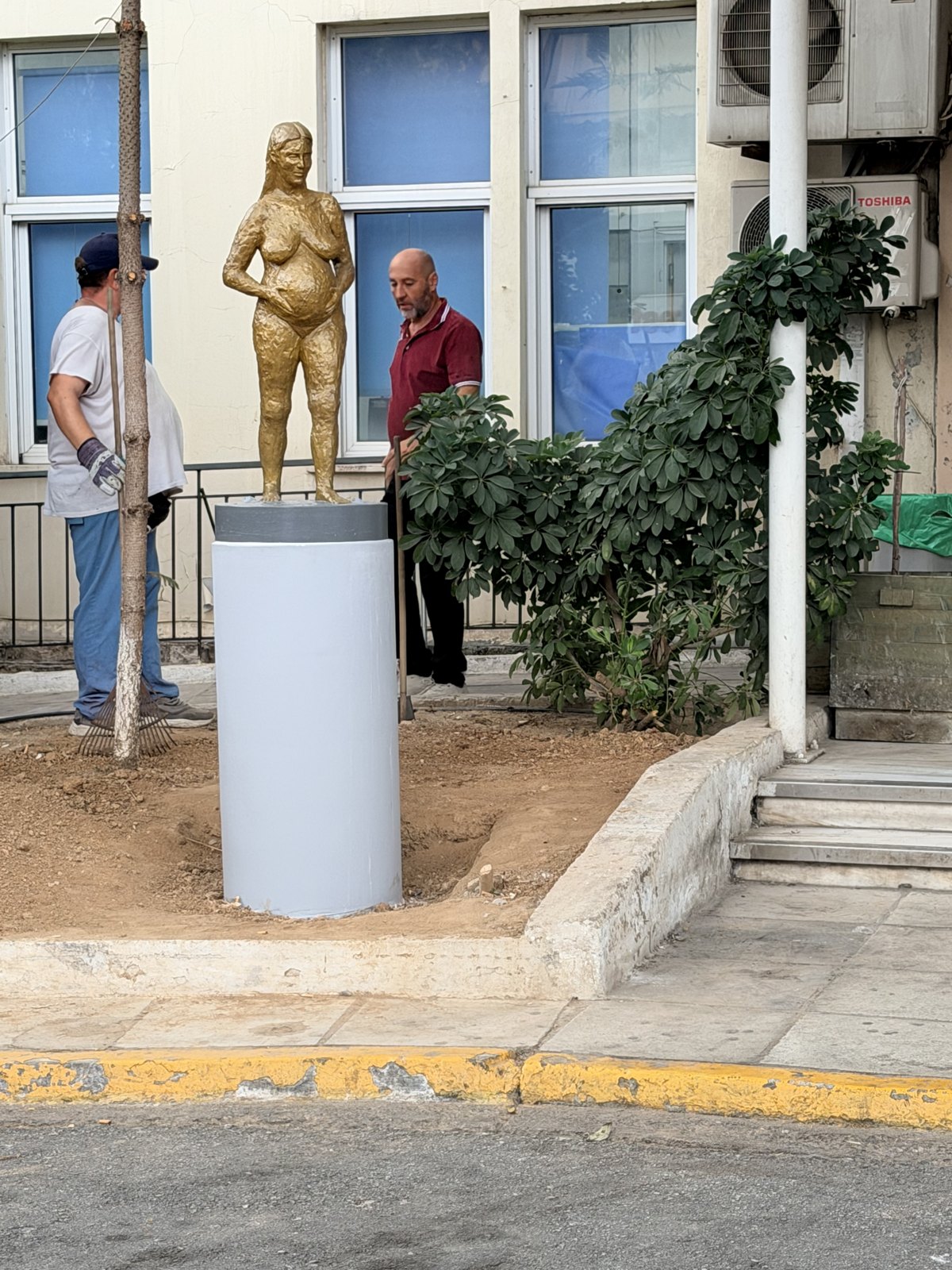
Tzaneio Hospital
Egymonousa
Piraeus, Greece · Installed
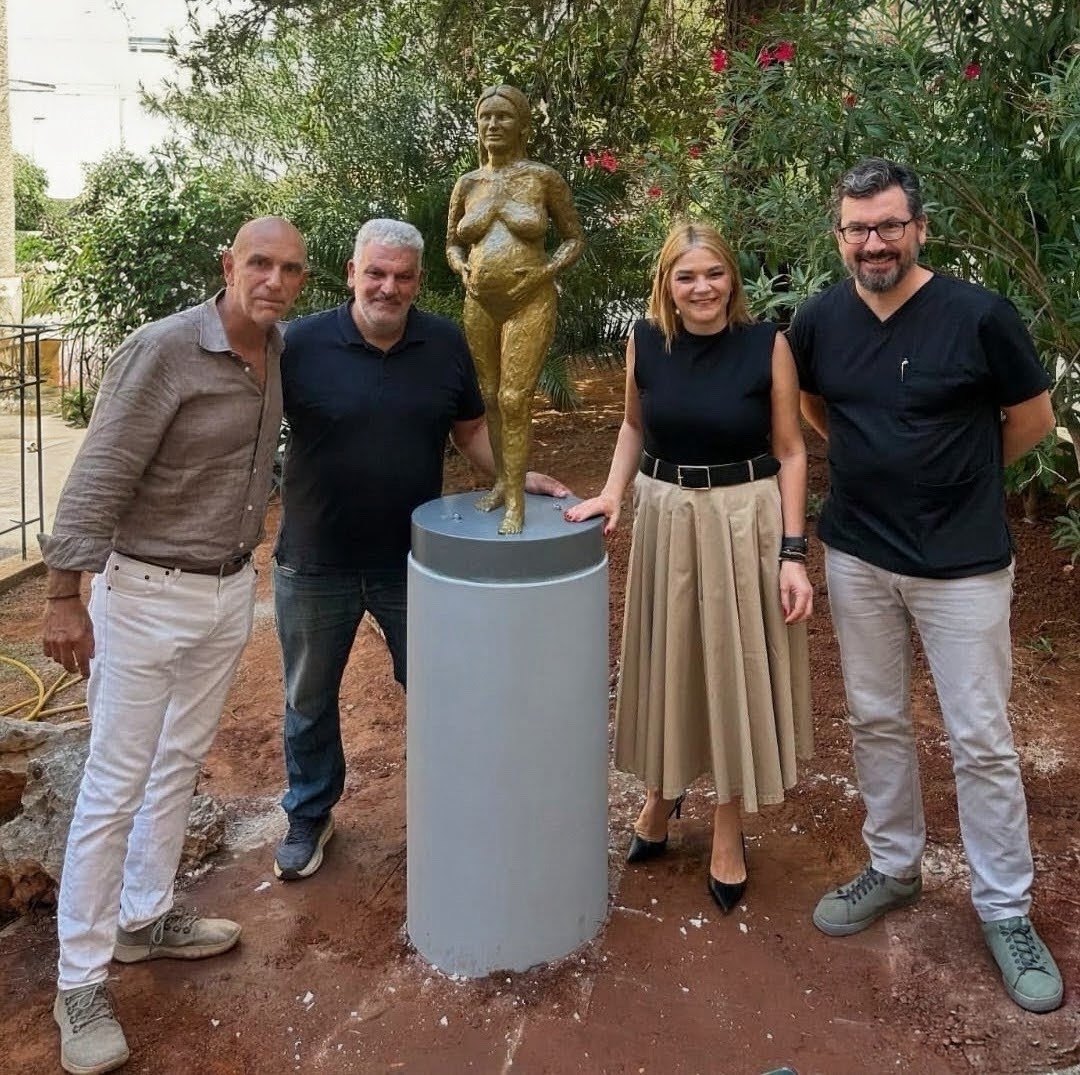
Elena Venizelou Hospital
Egymonousa
Athens, Greece · Installed
Alexandra Hospital
Egymonousa
Athens, Greece · Installed
Venizeleio-Pananeio General Hospital
Egymonousa
Heraklion, Crete, Greece · Installed
Healthcare · Retirement home
Two works developed for hospitals
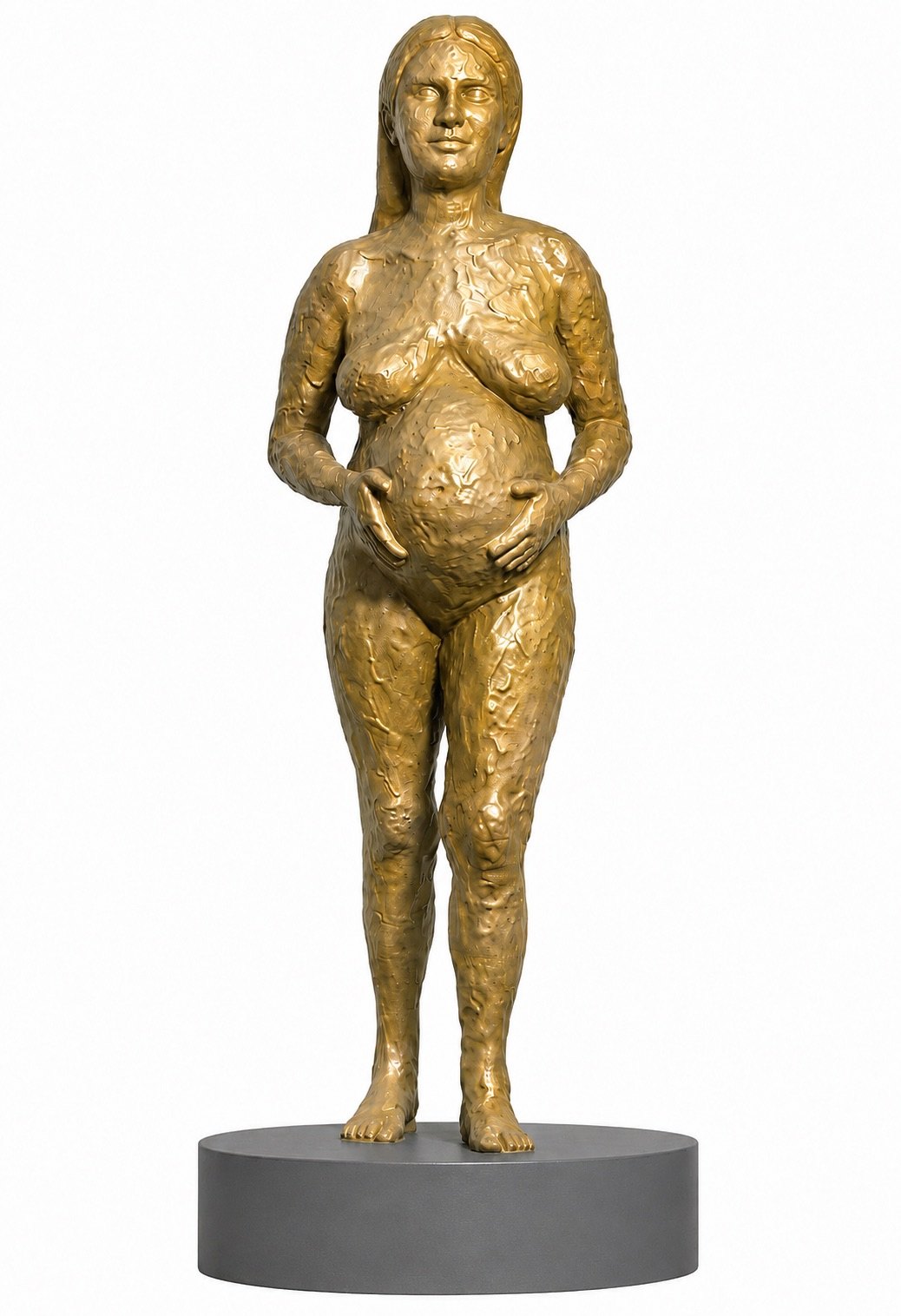
Egymonousa, “the pregnant woman”: a series of standing figures for maternity hospitals and women’s health, each about 110 cm high and handmade, so that no two are quite alike. It is now in place at Tzaneio and Elena Venizelou hospitals; Aretaieia, the 220 cm figure at Aretaieion, treats the same subject at over life size.
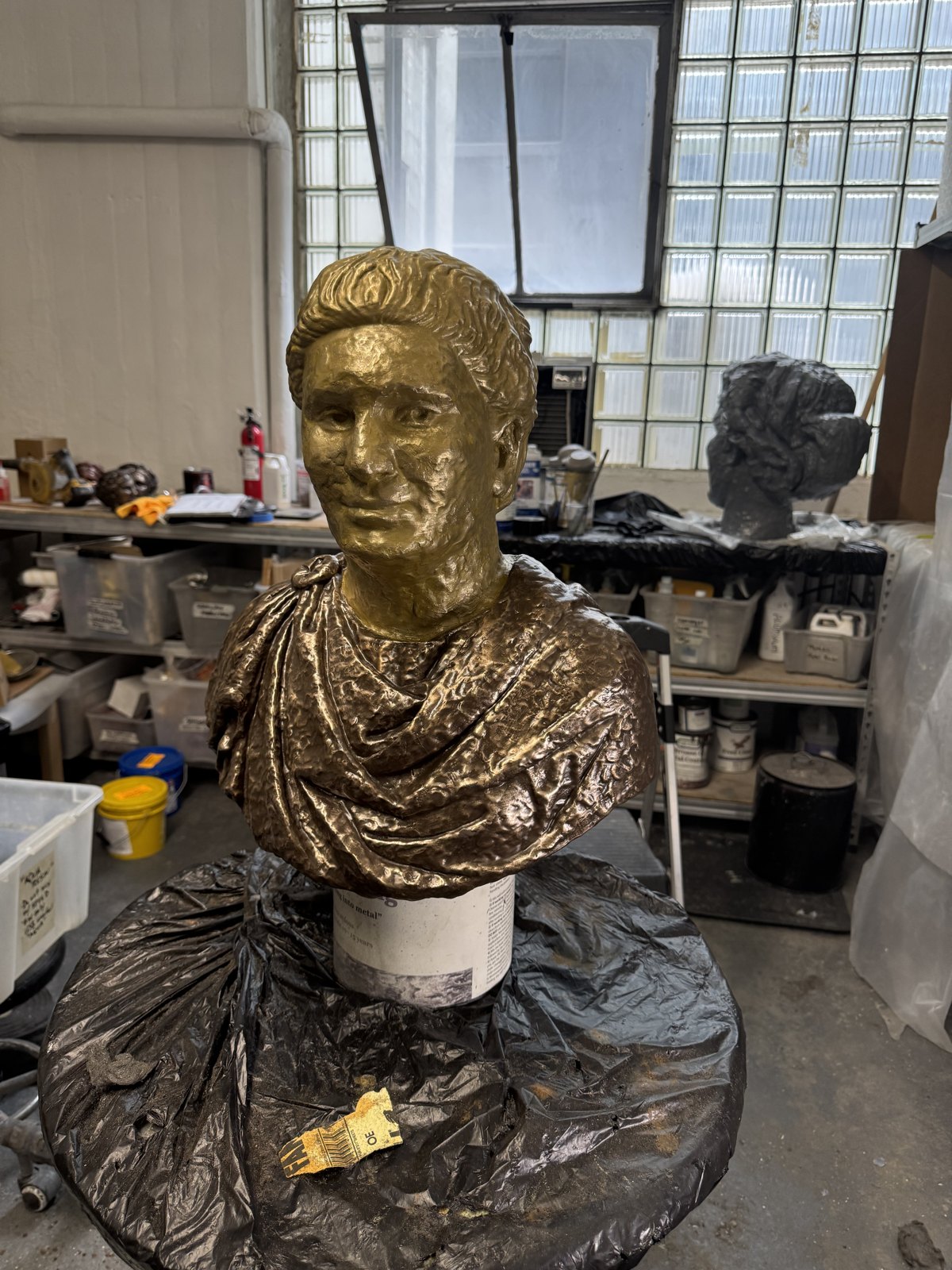
Kore: the portrait of the artist’s daughter at twelve, gaze lifted, for children’s hospitals. Kore II stands at the General Children’s Hospital of Athens ‘Panagiotis & Aglaia Kyriakou’.
Both are made from PETG recycled from discarded medical packaging, finished in metal coatings and patinas. Works can also be developed specifically for a hospital’s own setting and story.
In process — to be announced · 3
Three additional healthcare projects are in process. Institutions, works, locations and completion dates will be announced when ready.
Evidence, stated carefully
Research gathered on Public Art & Health suggests that art can improve how patients, staff and visitors experience a hospital; it does not show that a sculpture by itself improves clinical outcomes, and we do not claim it.
Technical planning pack
Published dimensions describe the sculpture unless a base or overall height is expressly included. Ask the studio for the work-specific dimensions, weight, materials, anchoring and care schedule before procurement or installation.