Public art and health
George Petrides’ healthcare programme comprises 10 projects: 7 installed and 3 in process — to be announced, as of October 2026. To ground this work in evidence, he founded Public Art & Health, a curated research repository on how people experience sculpture, murals, paintings and other installed visual art in healthcare, with a particular focus on permanent sculpture.
What the research shows
- Experience of the hospital
- Art can improve how people perceive the hospital environment and offer interest or distraction. A favourable impression is not the same as a clinical improvement.
- Stress and anxiety
- Several studies report improvements after viewing art, though results vary and setting, attention and movement may contribute.
- Pain
- Some small studies report favourable findings; others find no difference in pain.
- Staff and visitors
- Murals and collections are associated with some favourable responses, with real differences between sites and groups.
- Permanent sculpture
- Hospital records show varied artistic and spatial uses, but the reviewed evidence does not isolate a causal health effect of a sculpture on its own.
Two trials illustrate the balance: among 186 cancer inpatients, paintings improved perceptions of the room but produced no detected psychological or clinical differences; among 80 patients after cancer surgery, hospital gallery visits were linked to better hope, anxiety and mental wellbeing, with no significant difference in pain.
Public Art & Health is editorially curated rather than a systematic review, and declares the founder’s interest as a sculptor working in healthcare settings.
Sculpture in healthcare by George Petrides
A selection of the seven installed healthcare works.
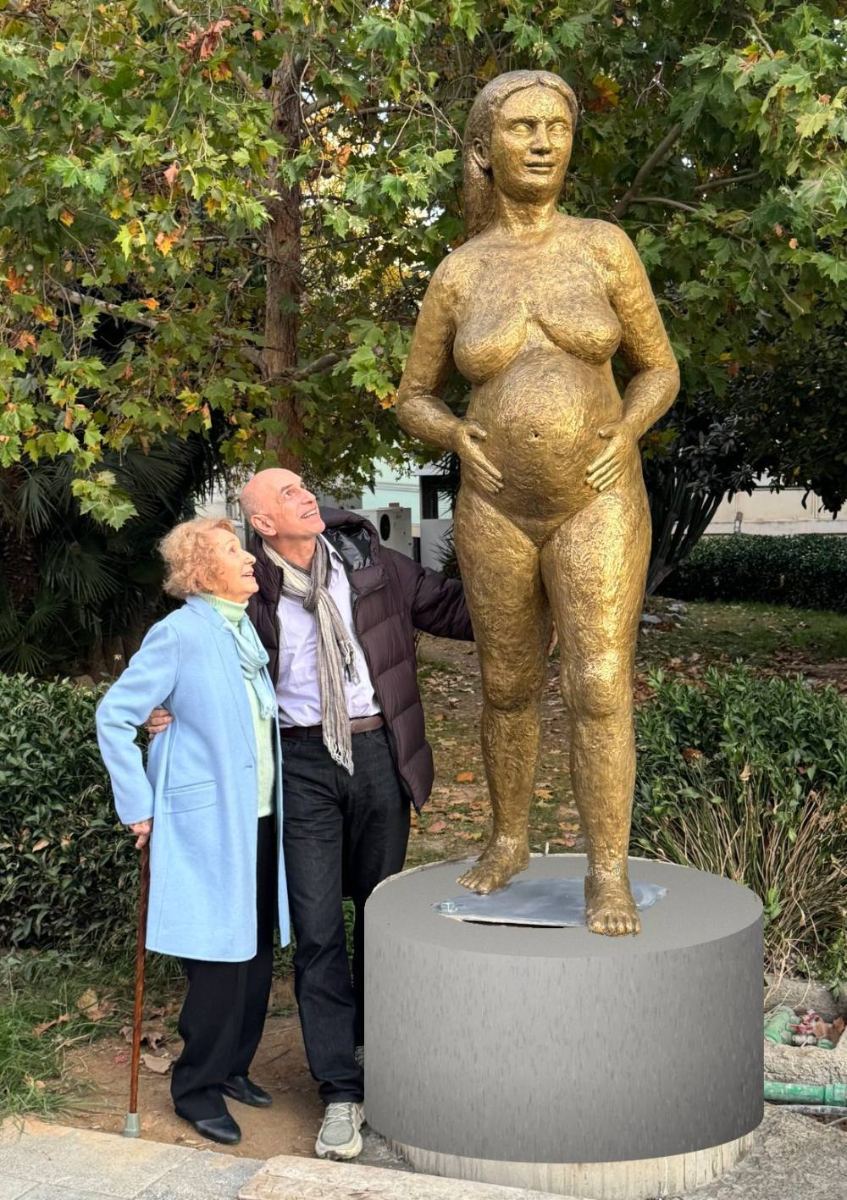
Aretaieia
Aretaieion University Hospital
Athens, Greece · Installed
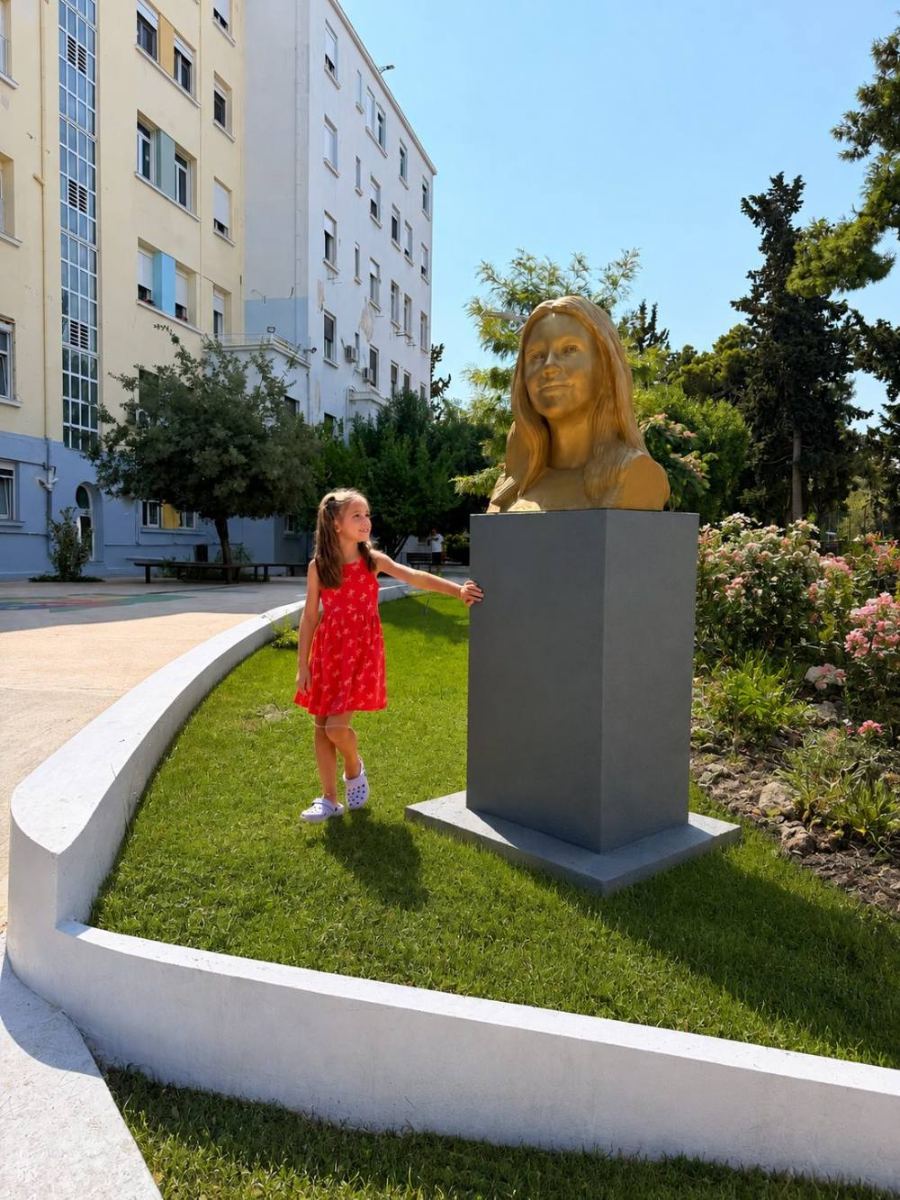
Kore II
General Children’s Hospital of Athens ‘Panagiotis & Aglaia Kyriakou’
Athens, Greece · Installed
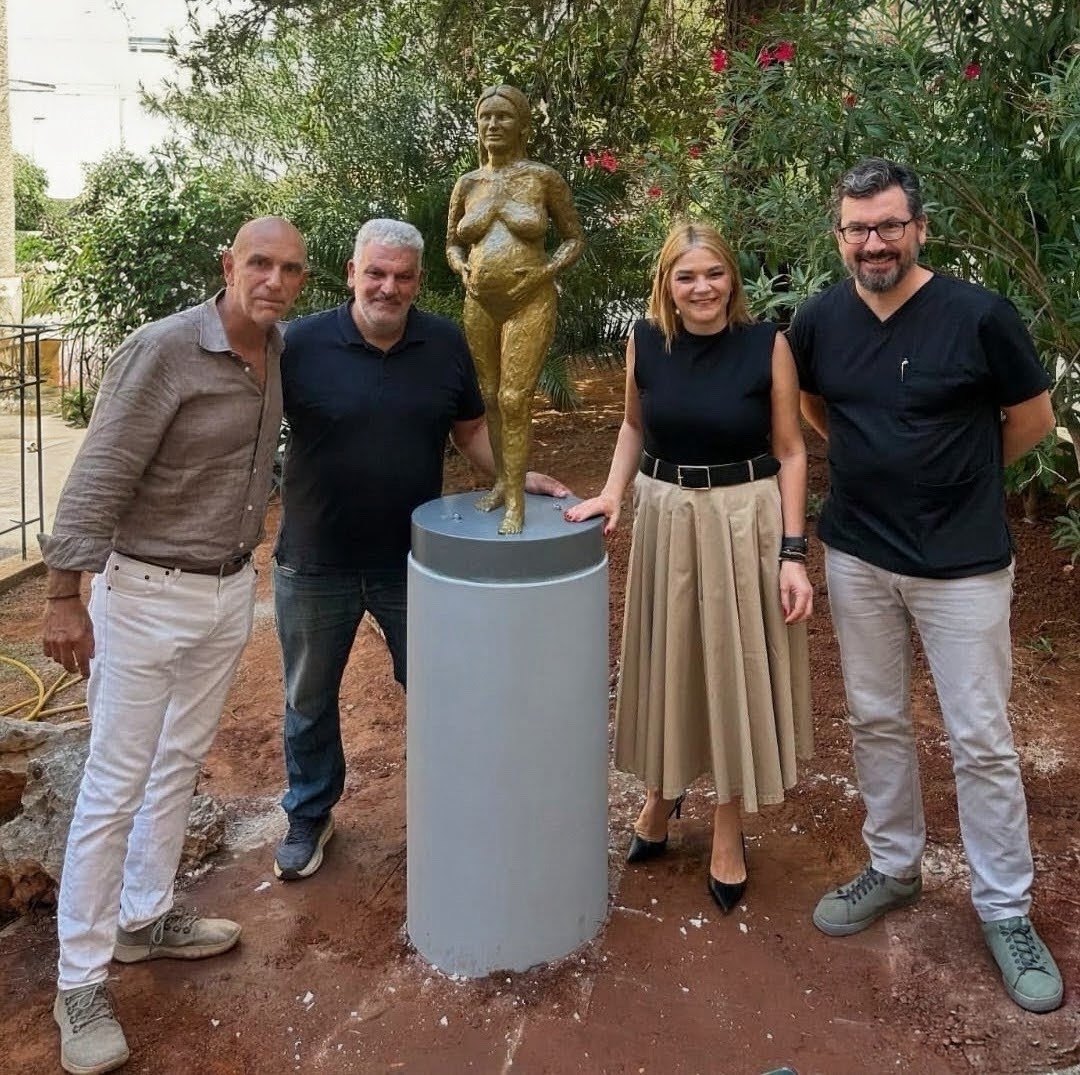
Egymonousa
Elena Venizelou Hospital
Athens, Greece · Installed
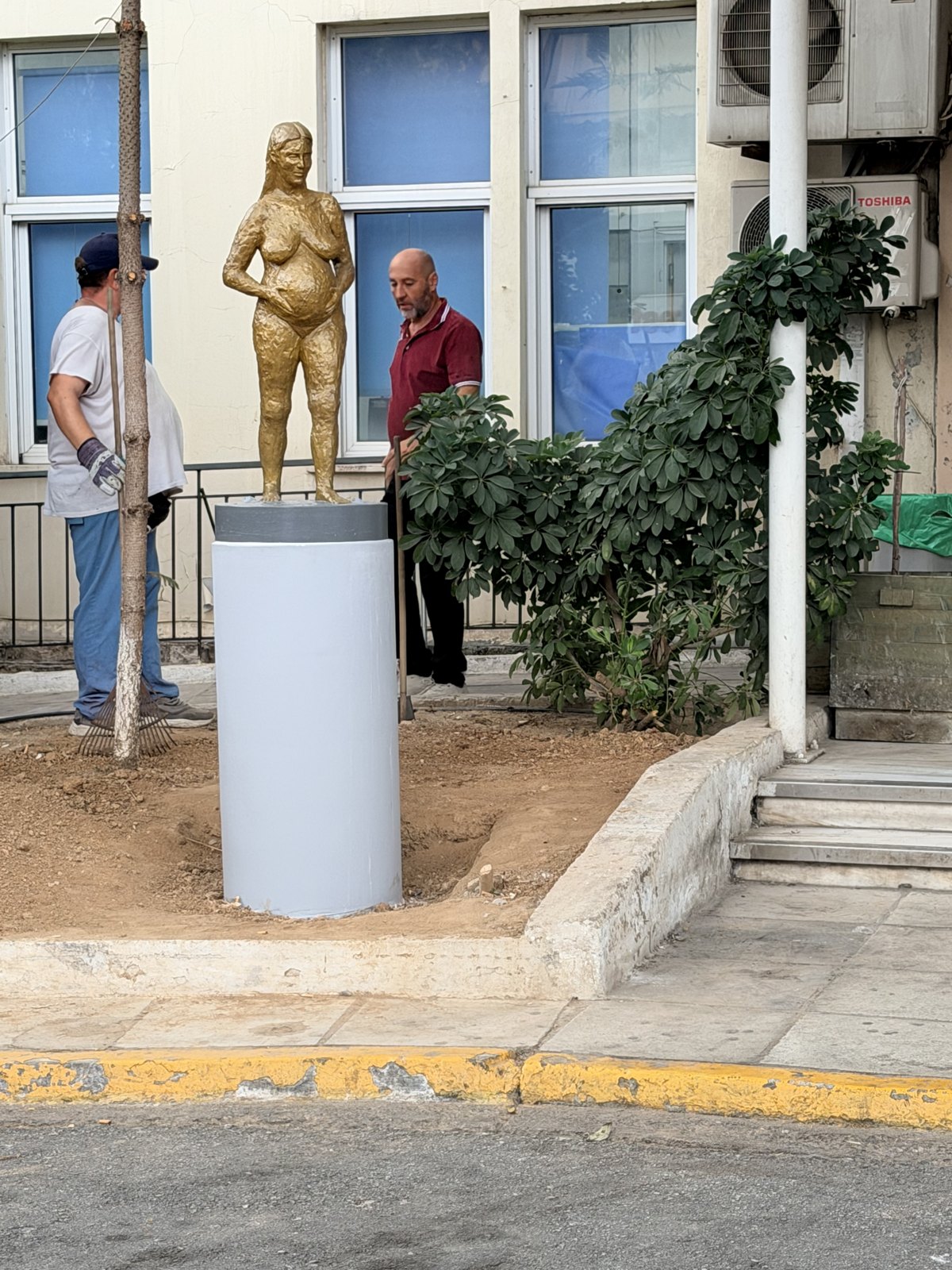
Egymonousa
Tzaneio Hospital
Piraeus, Greece · Installed
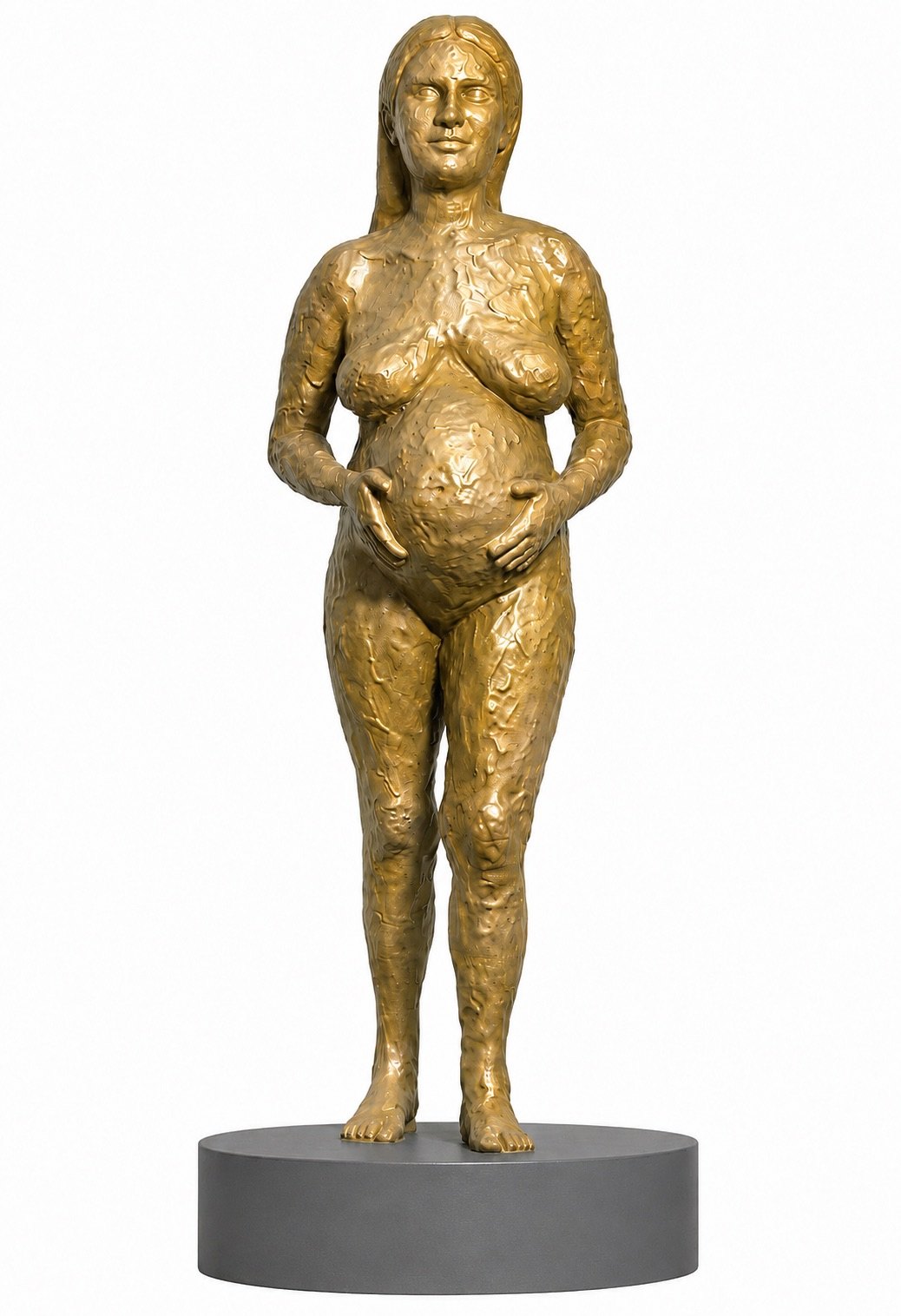
Egymonousa
Venizeleio-Pananeio General Hospital
Heraklion, Crete, Greece · Installed
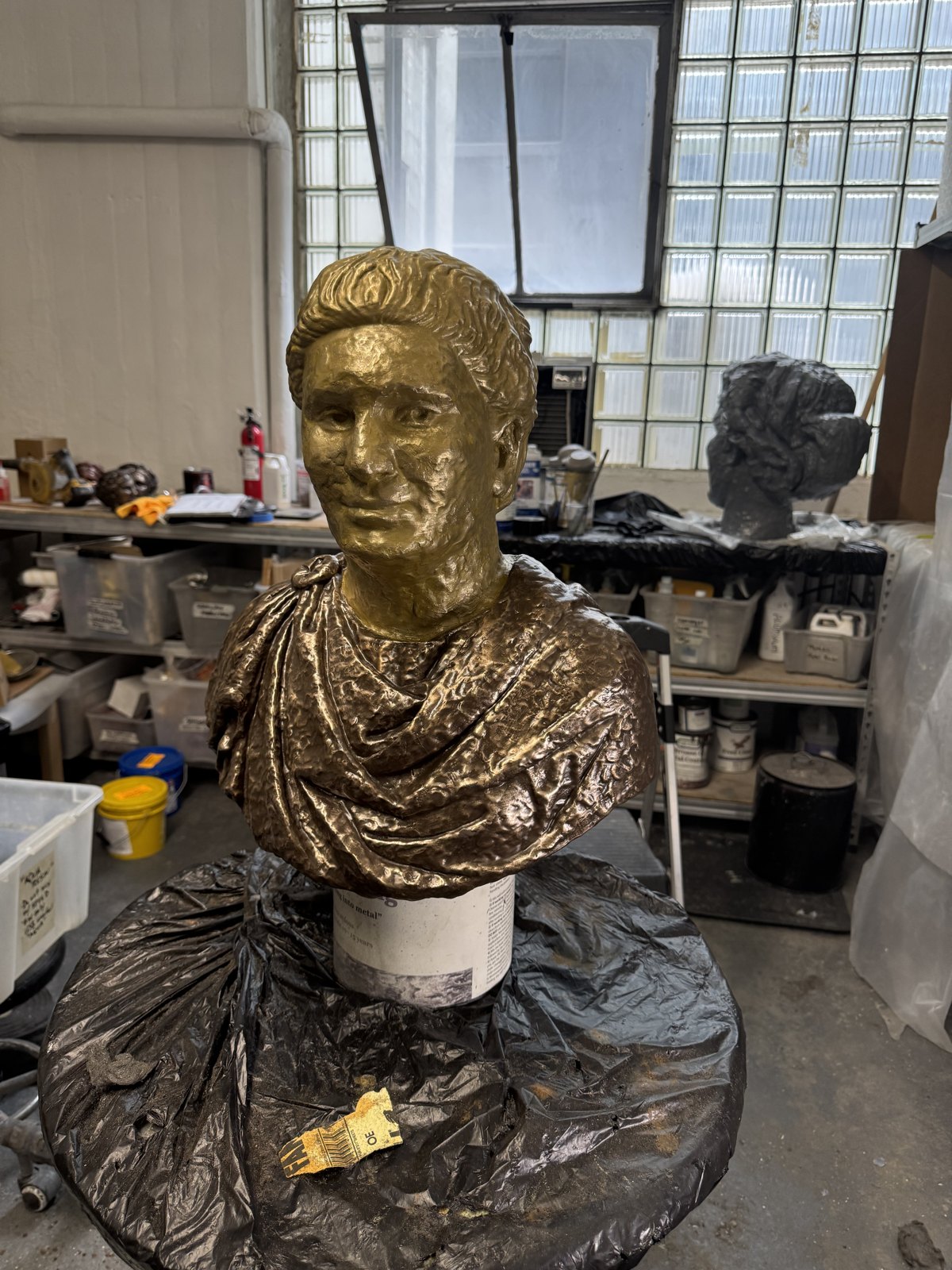
Constantine and the Vision of the Cross (Reduction)
Imvriaki Enosi (Retirement Home)
Gökçeada (Imbros), Türkiye · Installed
Explore Public Art & Health
Summary based on Public Art & Health, research updated 29 September 2026 (Edition 4.11).